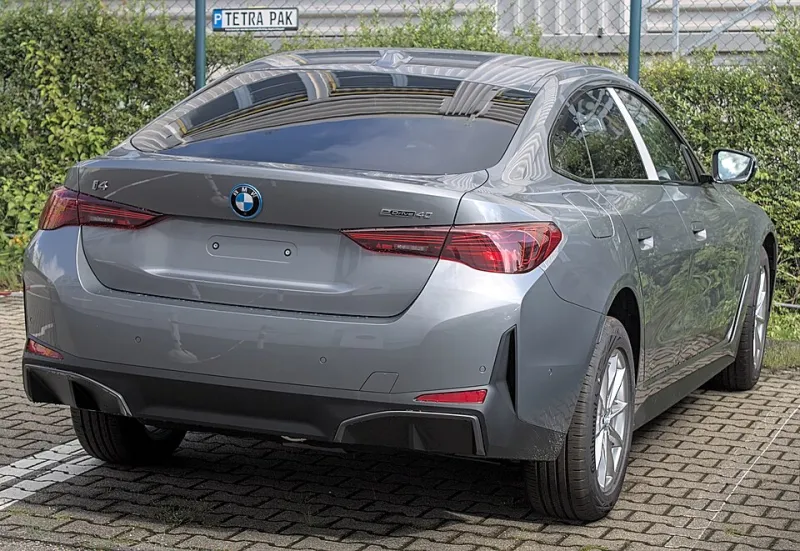
Frost on the Windscreen, Warning Lights on the Dash: Preparing Your BMW for a Hampshire Winter
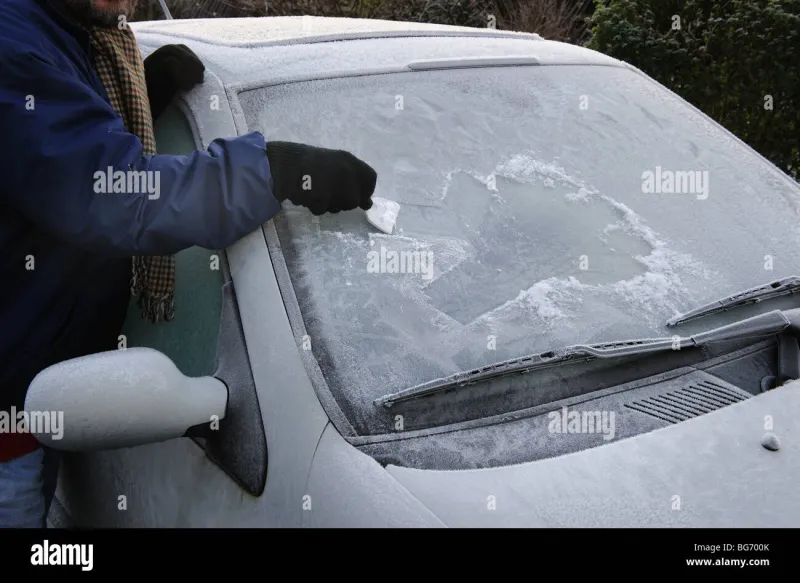
Photo: frosty windscreen car winter morning UK, via c8.alamy.com
There's a pattern our technicians know by heart. The first properly cold morning of the year — usually late November, occasionally earlier — brings a small influx of callers whose BMW won't start, or whose dashboard has lit up with warnings that weren't there yesterday. Almost none of these faults are sudden. They've been developing quietly since summer, and the frost simply exposed them.
The good news: nearly all of it is preventable with an hour of attention before the cold sets in. Here's what our workshop recommends for every BMW owner in Hampshire.
The Battery Is the Usual Suspect
Modern BMWs are electrical systems that happen to have wheels. Keyless entry, memory seats, parking sensors, start-stop technology — all of it leans on a battery that most owners never think about until it fails.
Cold weather reduces a battery's cranking capacity at precisely the moment a cold engine demands more of it. A battery that managed fine in September can be marginal by December.
Our advice: if your BMW is more than four years old, or if you notice the start-stop system quietly disabling itself, have the battery tested. It takes minutes, and it's far cheaper than a recovery truck to Basingstoke on a January morning.
Run-Flat Tyres: A Word of Caution
Most modern BMWs leave the factory on run-flat tyres, and they're a genuine safety asset — they let you continue to a place of safety after a puncture rather than changing a wheel on a busy verge. But they deserve particular attention in winter.
Run-flats have stiffer sidewalls, which means pressure loss can be less obvious from the car's handling. A run-flat that's 20% under-inflated may still feel normal, yet grip and braking distances suffer — especially on the frosty lanes around Old Basing or the back roads to Hook.
Check pressures at least fortnightly through winter, and pay attention to the tyre pressure monitoring system. If the TPMS warning appears, don't dismiss it as a sensor quirk; investigate the same day.
Consider also whether your tread depth is up to the season. The legal minimum is 1.6mm, but grip in wet and icy conditions degrades noticeably below 3mm. Winter is not the season to run tyres to the wire.
The Checks That Take Minutes
Beyond the two big items, a short seasonal inspection covers the rest:
- Coolant and antifreeze concentration — a frozen cooling system can cause damage far beyond a failed journey.
- Wiper blades and washer fluid — use a proper winter-grade screenwash; water alone freezes on the screen at the worst moment.
- Lights — with dusk falling before 4pm, you'll use them every journey. Walk round the car and check every unit, including number plate lights.
- Air conditioning — it's a dehumidifier as much as a heater; if the windows mist persistently, the system may need a recharge.
- Brakes — corrosion on discs builds up over damp summer months; any grinding or vibration should be inspected promptly.
Why Winter Favour a Local Workshop
A winter check isn't a sales exercise — it's cheap insurance. Our Basingstoke technicians work on BMWs of every age every day, and we know which components on which engines tend to struggle in UK conditions. That accumulated knowledge is the difference between a generic inspection and one that actually anticipates what your particular model needs.
We've put together a downloadable winter checklist covering every point above, which you can collect from the service desk or request by phone. And if you'd rather not climb under the car yourself, our seasonal winter health check covers the lot — typically while you wait, with a coffee and a straightforward explanation of anything that needs attention.
The first frost is coming; it always does. A little preparation now means your BMW starts every cold morning this winter as reliably as it did in July.