From Forecourt to Next Owner: The Quiet Journey of a Part-Exchanged Car
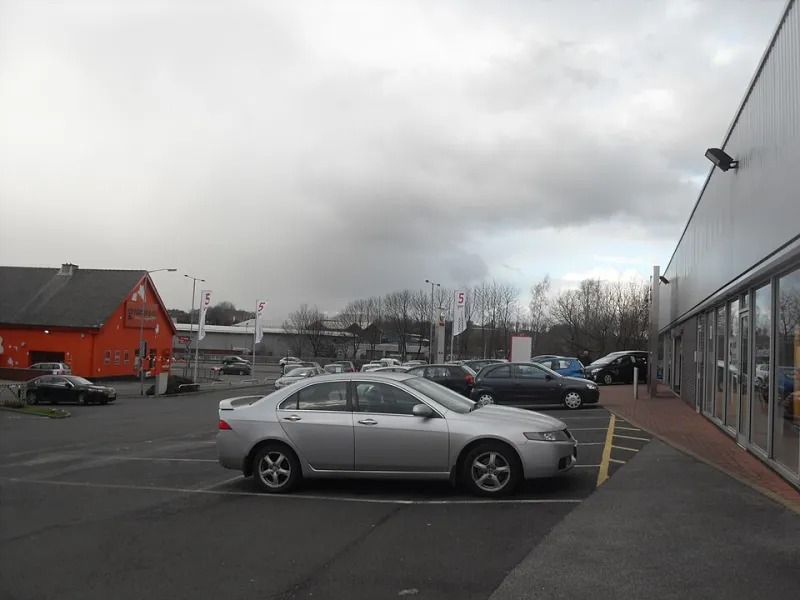
Photo: Anthony Parkes , CC BY-SA 2.0, via Wikimedia Commons
Part-exchange is one of the most convenient inventions of British car retailing. You arrive with an ageing hatchback, test drive a BMW, sign a few documents, and drive away in something newer without ever having to place a single advert or field a phone call from a tyre-kicker in Tadley. Yet for all its convenience, the process itself remains something of a mystery to most buyers. What actually happens to your old car once the paperwork is signed?
We thought it was time to lift the curtain.
The Valuation: Ten Minutes That Matter
The journey begins on our forecourt, usually while the customer is still taking a closer look at the car they're hoping to buy. A valuer will walk around the vehicle, noting mileage, service history, condition of the bodywork, tyre wear and the state of the interior. It is a brisk but thorough assessment — experience allows us to form a fair picture quickly.
Two things influence the figure more than anything else: documentation and desirability. A car with a complete service history, both keys and an MOT with no advisories will always command more than an identical car missing any of those items. Desirability is partly out of your hands — it depends on what the market wants — but presentation is entirely within your control.
Where the Car Goes Next
Once valued, a part-exchange car typically follows one of three paths.
Retail sale. If the vehicle is younger, lower in mileage and in strong condition, it may be prepared for sale on our own used car programme. This means a full inspection by our technicians, any necessary remedial work, a comprehensive health check and meticulous valeting before it is photographed and listed.
Trade disposal. Cars that fall outside our retail criteria — perhaps higher mileage, older, or simply not the sort of vehicle a BMW centre would typically stock — are offered to a network of trusted trade buyers, often through physical or digital auctions.
End of the road. Occasionally, a car has simply given all it has. Vehicles beyond economic repair, or with significant structural issues, are sold for salvage, and their components recycled in line with environmental regulations. Even here, nothing is wasted.
Four Ways to Maximise Your Part-Exchange Value
If you're planning to trade in, a little preparation before you visit us can genuinely move the number. Here is what our valuers consistently reward.
- Gather your paperwork. The service book, MOT certificates, receipts for work carried out and both sets of keys. A documented car is a trusted car.
- Book that overdue service. A car that arrives with a fresh service and a clean MOT reads as cared-for, and the value typically reflects more than the cost of the work.
- Tackle the small jobs. A cracked wing mirror, a worn tyre, a warning light left unexplained — these are the things valuers notice first. Fixing them beforehand usually costs less than the discount they attract.
- Clean it properly. It sounds superficial, but a genuinely clean car — inside and out — photographs better, presents better and creates a better impression in the ten minutes that decide your valuation.
Is Part-Exchange Still the Right Route?
Selling privately will often achieve a higher headline figure — but it comes with advertising, viewings, test drives with strangers and the very real risk of a sale falling through. Part-exchange trades some of that potential value for certainty, speed and simplicity, and the transaction is settled in a single visit.
There is also a practical advantage worth remembering: the value of your old car is deducted from the price of the new one before finance is calculated, which can reduce the amount you need to borrow.
A Straight Answer, Every Time
Our advice to any Hampshire driver considering a trade-in is simple: bring the car along. A valuation costs you nothing, takes minutes, and gives you a firm figure on which to base your decision. Whether your old car goes on to grace our forecourt or head to a new owner elsewhere in the country, you can be confident it has been valued fairly — and that its next chapter is already being written.