Flat Roads Tell You Nothing: The Uphill Test Drive Every Basingstoke Buyer Should Request
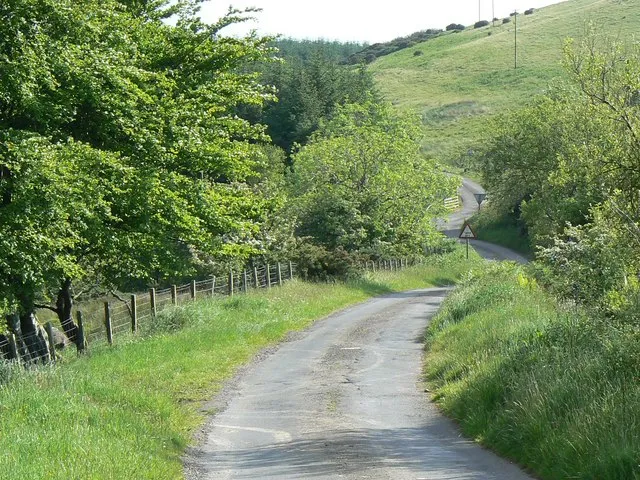
Photo: James Allan, CC BY-SA 2.0, via Wikimedia Commons
The Comfortable Deception
There is a familiar ritual to most test drives. Out of the forecourt, down a dual carriageway, a gentle loop of well-surfaced roundabouts, back in time for a coffee. The customer returns pleased, the salesperson is pleased, and everyone has learned precisely nothing about how the car behaves when conditions turn awkward.
We would go further: a flat, smooth test route actively flatters a car. Modern suspension tuning is so accomplished that on pristine tarmac, a genuinely great chassis and an ordinary one are nearly indistinguishable. It is only when the road pushes back that the differences emerge — and BMWs, more than most, are built to be judged under pressure.
Why BMWs Deserve a Harder Exam
BMW's engineering priorities — 50:50 weight distribution, rear-wheel-drive purity in much of the range, steering tuned for feedback rather than lightness — only announce themselves on demanding roads. On a straight, level stretch, an X1 and a 3 Series can feel superficially similar. Ask them to climb, corner and cope with a rutted surface, and their characters separate sharply.
If you are spending a significant sum on a luxury car, you owe it to yourself to test it where it will actually live: on the B-roads of north Hampshire, not the retail park ring road.
Our Recommended Route: Seek Out the Climb
Ask your salesperson to head towards the downs. Any of the following will serve you well:
- The long drags off the A339 towards Kingsclere — sustained gradients that load the drivetrain and expose any hesitancy in the gearbox.
- The cambered lanes around Herriard and Upton Grey — narrow, crowned surfaces that reveal how well the suspension manages asymmetric loads.
- The broken B-roads north towards Sherborne St John — patchy tarmac that separates genuine composure from mere firmness.
What to Feel For on the Climb
Under sustained gradient, a well-sorted engine and gearbox should feel unstressed. Listen for the transmission holding a sensible gear rather than hunting; feel whether the car surges or settles as the road steepens. A turbocharged petrol should respond cleanly mid-range; a diesel should pull with quiet insistence rather than needing constant downchanges.
On cambered lanes, notice whether the car feels like it is tracking the road or fighting it. A good chassis lets you hold a line with small, natural steering inputs. If you are constantly correcting, the car is masking information from you.
Over broken surfaces, ride composure is the tell. A BMW should absorb the initial impact and settle quickly — one controlled movement, not a series of after-shudders. Firmness is not a flaw; a car that keeps rebounding is.
And listen, on a quiet stretch, for what shouldn't be there: suspension knock over sharp edges, drivetrain shunt when lifting off mid-corner, wind noise that suggests the car is working harder than it should.
The Question Worth Asking
When you book your next test drive with us, don't just ask for the car. Ask for the road. Tell us you want hills, cambers and a stretch of rough tarmac — and tell us what you felt afterwards. We would far rather a customer discover a car's true character on a demanding half-hour than live with a costly surprise on the drive home.
The flat route tells you what a car looks like. The uphill route tells you what it is.